
Australia Awards Aus4ASEAN scholar Li Ling shares her top tips for success
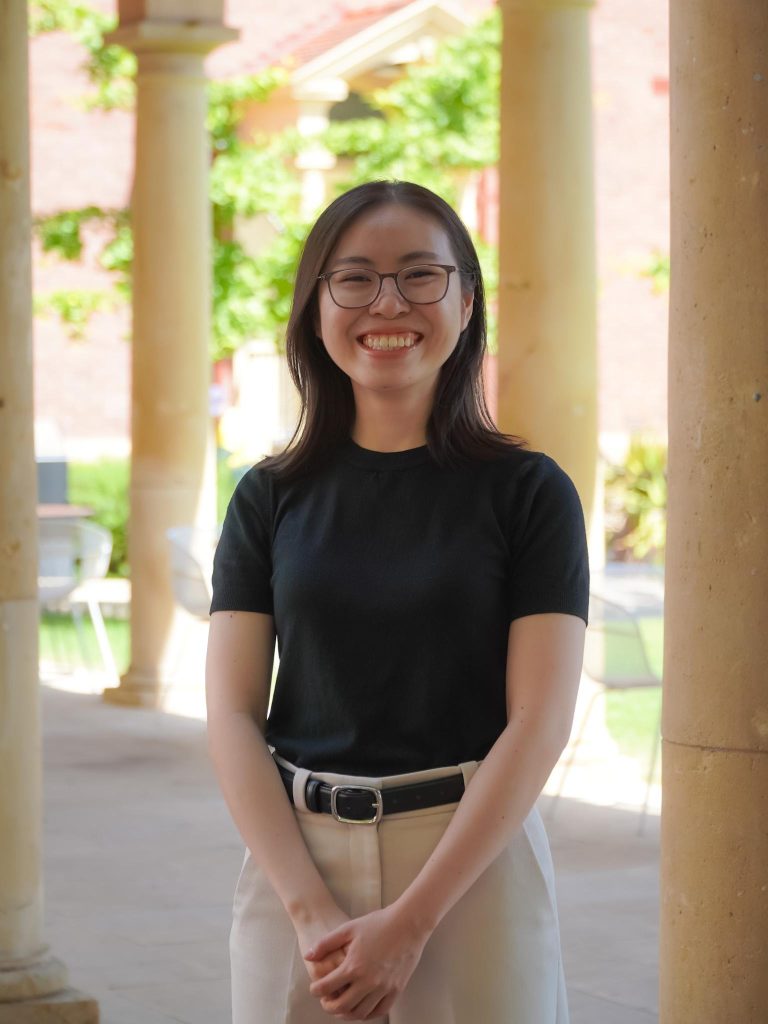
As universities across Australia approach the end-of-year exam period, many Australia Awards scholars are preparing for some of the most important assessments of their academic journey.
To help fellow scholars approach exams with confidence, current Australia Awards scholar Li Ling Ng has shared the strategies that have helped her succeed throughout her studies.
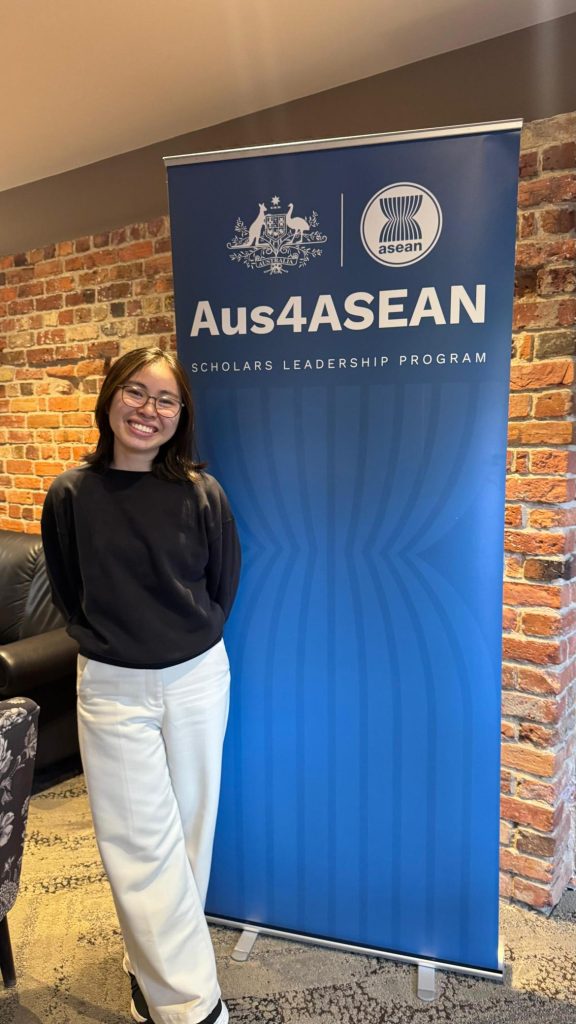
Li Ling from Malaysia is completing a Master of Artificial Intelligence at the University of Adelaide as an Australia Awards Aus4ASEAN scholar. The Aus4ASEAN Scholarships support emerging leaders from across Southeast Asia to gain skills and build connections that contribute to the region’s shared development. Li Ling says good preparation is the key to performing at your best.
“Being prepared is key to staying calm and confident on exam day,” says Li Ling. “You do not want to be sitting on the bus halfway to the exam venue only to realise you’ve forgotten your calculator or student ID.”
Li Ling’s top exam tips
Know your exam details early
As soon as exam timetables are released, record important information including dates, times and locations. Having a clear picture of what’s ahead can help you plan your study schedule and avoid last-minute surprises. Counting the number of days you have to prepare is useful in devising a study strategy and is also a reality check. Also check your exam details during SWOTVAC in case schedules have changed.
Read all communications from your lecturers
Pay close attention to emails and announcements. Information about exam duration, permitted materials, topics covered and exam formats can help shape your revision strategy.
Plan your study time strategically
Identify the subjects that need the most attention and allocate your time accordingly. Li Ling recommends working systematically through course content in order of delivery, building knowledge from one topic to the next. This is based on the premise that most subjects are structured by mastering topics that are then built upon with more complex concepts.
Practise under exam conditions
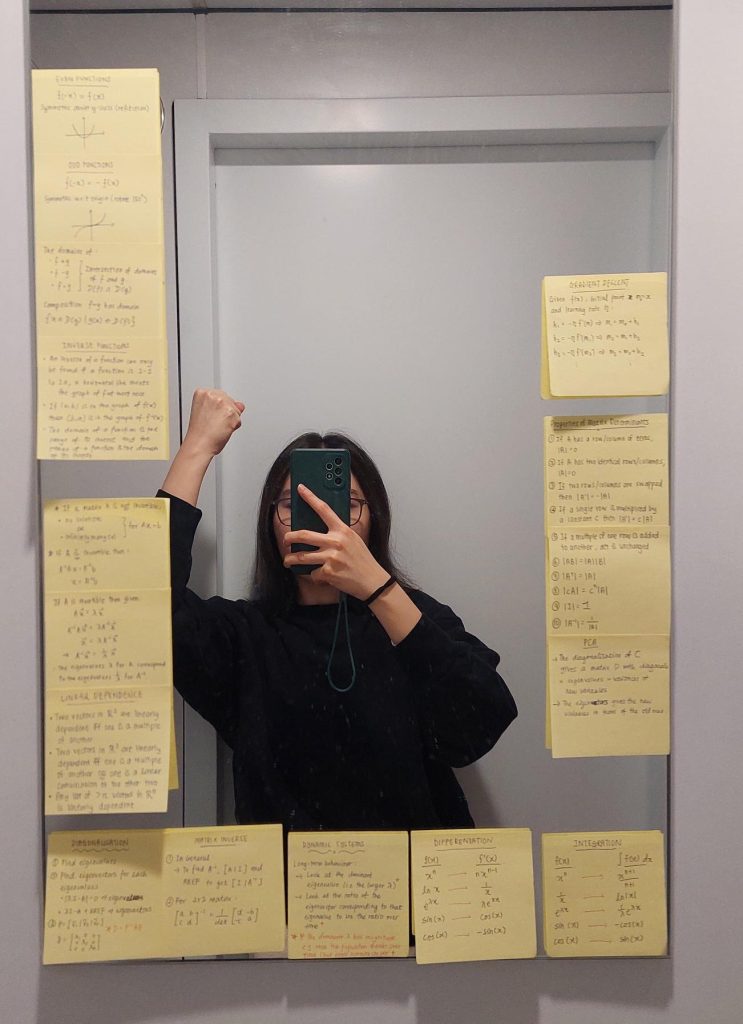
Leave practice exams and sample questions until after you have completed your revision. Then complete them under realistic exam conditions, including timing yourself and using only the materials allowed in the exam. This can help you determine what topics need more revision, or whether you need more practice answering faster.
Prepare the night before
Pack what you need, check your exam details again, set your alarms and get enough sleep. Good preparation can help reduce stress and allow you to focus on doing your best.
On exam day
Li Ling recommends trusting your preparation and avoiding last-minute cramming.
“I personally avoid cramming or discussing topics and practice questions with peers outside the exam hall as this can disrupt focus. Have trust in yourself that you are ready and have come prepared,” she says.
She recommends using reading time in the exam carefully to plan how you will approach each question and in which order. Her strategy is to complete the questions she is most confident in first.
Li Ling also encourages scholars not to dwell on completed exams or discuss and compare answers with peers.
“Once an exam is over, it is over,” she says. “Move on and save your energy for the next exam.”
As exam season approaches, we wish all Australia Awards scholars the very best. Remember that preparation, organisation and confidence can make a significant difference.
Good luck!
